Between Bridges Residency
July–December 2026: caner teker
caner teker
repertoire
14 November–13 December 2026
Opening: Saturday, 14 November 2026, 5–8 pm
Between Bridges
Keithstraße 15
10787 Berlin
Opening hours:
Friday and Saturday, 12–6pm
caner teker has produced several distinct bodies of work over the years, all of them threaded, one way or another, through the human body. There are links connecting them, they can be considered in tandem as they leak into and get messy with one another. However, each one of their lives is self-sufficient, with its own prepositions, the conditions it sets to realize.
The artist revels on them, lurks, takes the time to understand them, to relive them. caner treats them as an act that’s bound to end before it can reset and come back to life in a different iteration and setting. Like in the theater: a sequence of reenactments must come to an end for the protagonists to reach closure. How do you revisit such acts, especially ones that are born through action, bodies, and repetition? What do you do with them after their breaths are silenced and their limbs tired?
The exhibition bears the title repertoire – a sum of works, a body, a collection of acts someone has mastered and are able to perform repeatedly; repetitions that will keep on adapting to their surroundings as they re-emerge. caner teker’s practice is grounded in what is essentially a set of directions. These are a framework for the performances which are enacted with bodily intensity and emotional honesty. There is a frame of reference but no script with authority and pressure. The artist provides an instruction, some select parameters that remain in their control, and the rest is left up to the performers to execute and live through. caner acts in this sense as an instigator and facilitator.
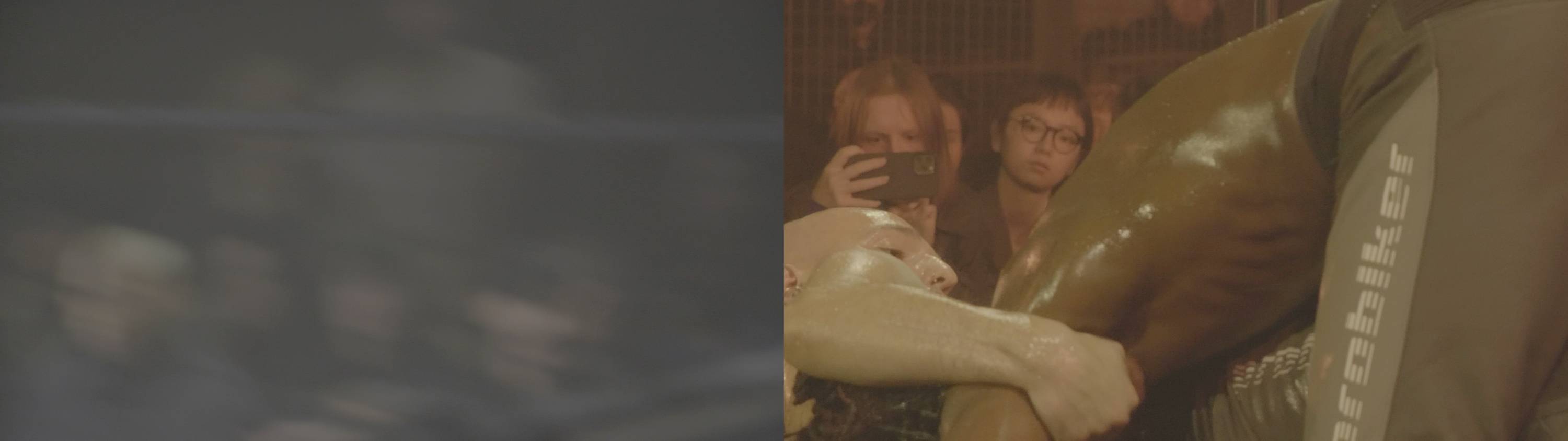
Bruises form; two bodies quiver away from one another in slowness. They are in a fighting ring, being looked at, stared at, they smear oil all over each other and grab onto hands, waistbands, backs. They are tossing and turning. Here, right now, however they are still. What we see is a second-hand emotion, equally strong, yet different. The work, titled KIRKPINAR, draws on elements of Yağlı Güreş, traditional Turkish oil wrestling. It is always performed by two people and lasts for about an hour.
On the occasion of repertoire, the artist is showing a two-channel video work based on these performances. The film confronts viewers with live acts that are now becoming the subject of a new form, they are re-seen, worked through, and incorporated into a body of works. They occupy the space and time of the institution on their own terms, before retracting and reshaping for their next outing. The space is loud and dark; the oil doesn’t smell through the flatness of the image. The first room is re-made in what appears to be a boxing ring; space has been demarcated to allude to the confines of a fighting zone. All this is conditional on labor and material available for the artist’s score to be adapted, translated to a new set of possibilities.
Two of the works have entered institutions, they are part of collections, holdings in a bigger sum. What has been acquired is the score, the instructional device caner has drafted for the institutions to enable the works to sprout to life on their own terms, and to confront the new framework provided by their institutionalization.
It feels that the leakage of these live works, which of course, depending on time and resources can’t always be re-performed, stretches away. Their scoring element, the directive they must fulfil, attains a new meaning. The score reads as a conceptual backbone for the institution as well. Elements of documentation, fragments that might have absorbed the oil of their predecessors; prosthetic forms that allude to the presence of a body with all its fights, love, strength and rage, come alive. All works in the exhibition exist as written scores, they live as instructions and can be owned, re-staged and re-interpreted within and outside the borders of institutions.
A resilient act of translation occurs here, it happens now and carries memories and traces from the past; bruises, scratches, and all….
–Haris Giannouras
Further events in the context of the residency exhibition
Workshop with caner teker
Saturday, 28 November, 12 pm
An introduction to the movement research of b2b / nothing new: the work’s scores and its research into self-defence. Dance experience required. Free, by registration only: studio@canerteker.com
Screening
Saturday, 5 December, 6pm
Köken Ergun, I, Soldier, 2005, 7 min.
Pauline Boudry / Renate Lorenz, Salomania, 2009, 17 min.
Jumana Manna, Blessed Blessed Oblivion, 2010, 26 min.
caner teker, KIRKPINAR, 2026, 20 min.
Past events
caner teker
b2b / nothing new
Performance program by caner teker
with Noumissa Sidibé, Lucia Gugerli
Music: Space Afrika
Outside Eye: Joshua Wicke
Creative Production: Darcey Bennett
Friday, 23 October, 7–10 pm
––
caner teker
b2b / nothing new
Performance program by caner teker in collaboration with Martin Hansen, Emil Ertl, Noumissa Sidibé
Music: Space Afrika
Outside Eye: Joshua Wicke
Creative Production: Darcey Bennett
Wednesday, 9 September 2026, 7–10 pm
Thursday, 10 September 2026, 5–8 pm
Friday, 11 September 2026, 7–10 pm
Visitors are welcome to drop in anytime within the time frame.
Between Bridges Residency Space
Keithstraße 15
10787 Berlin
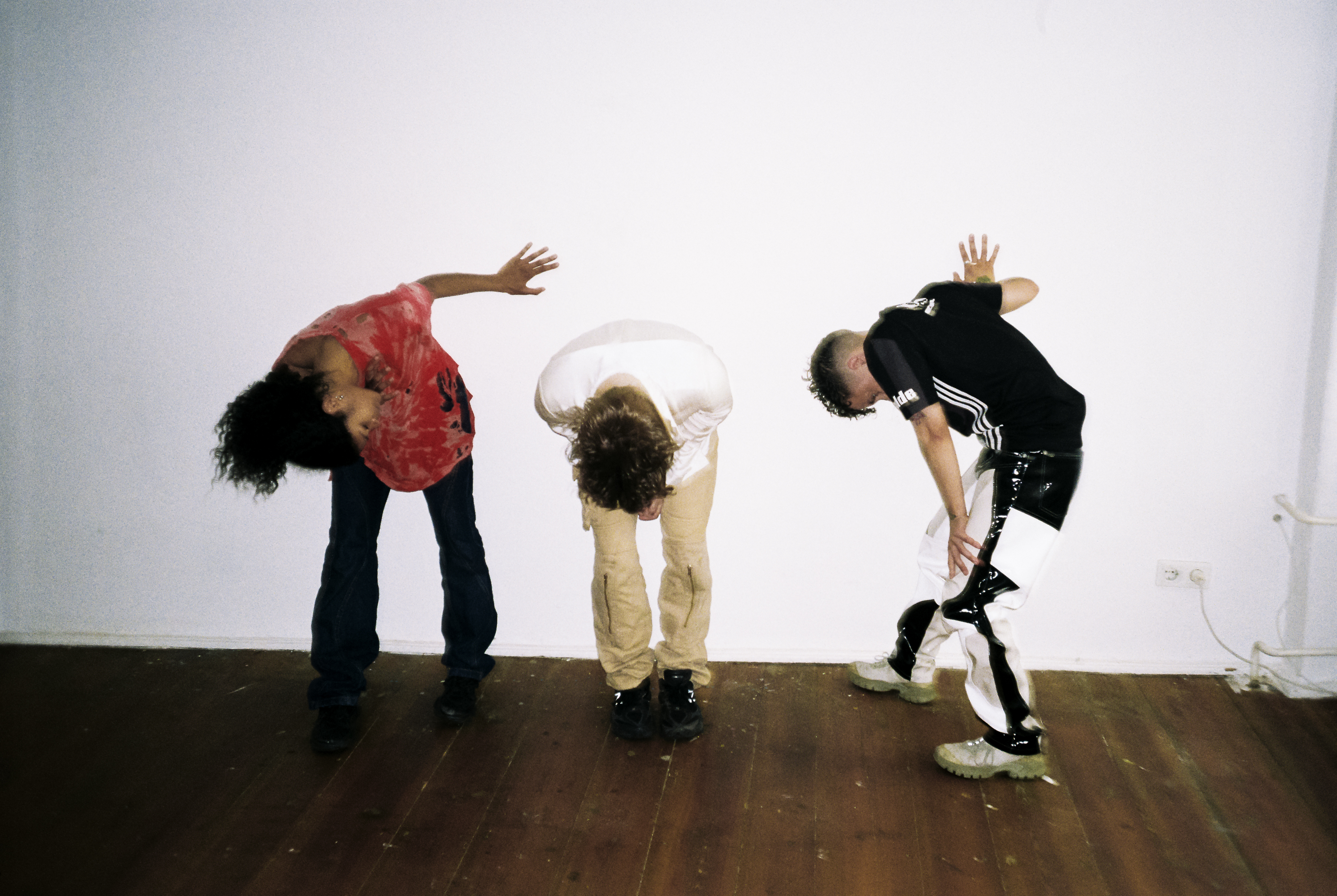
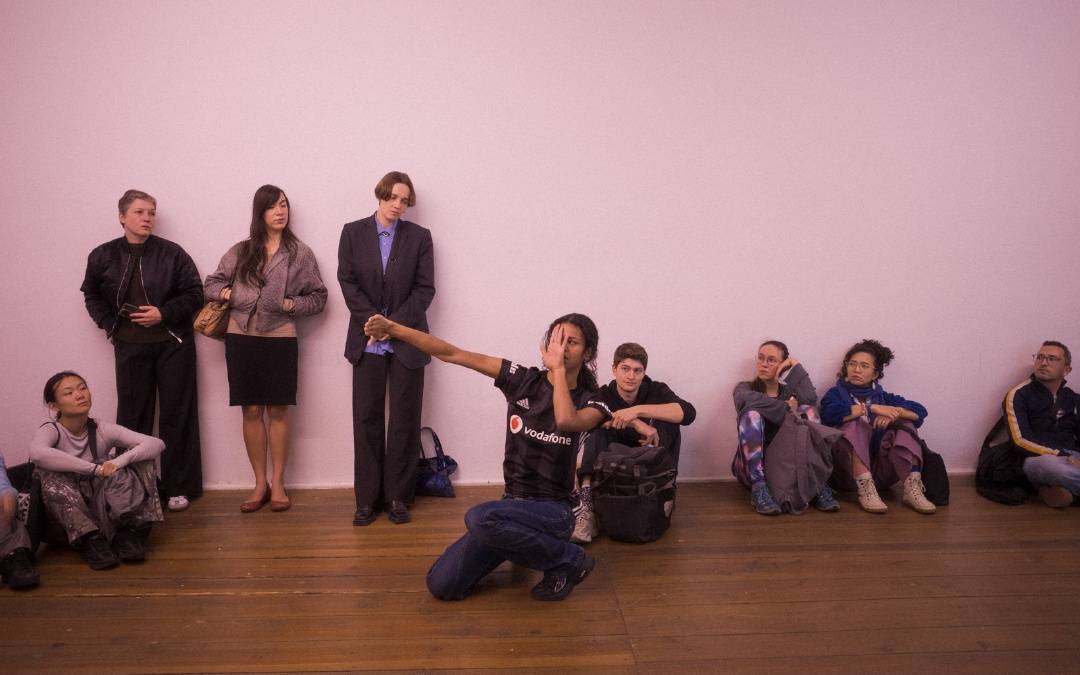
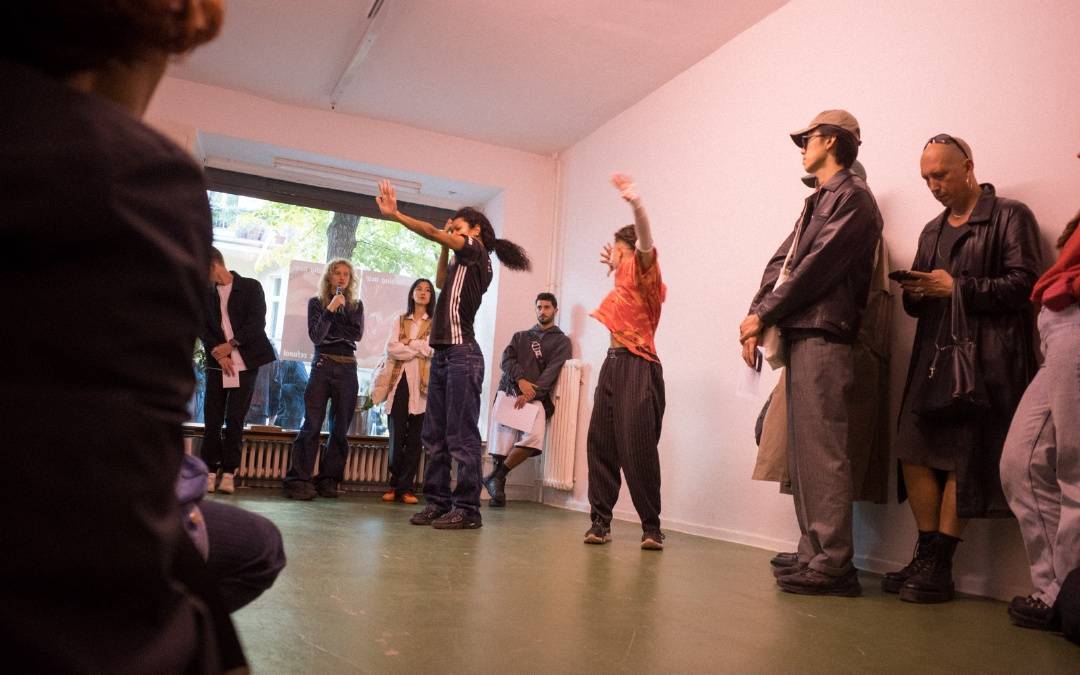
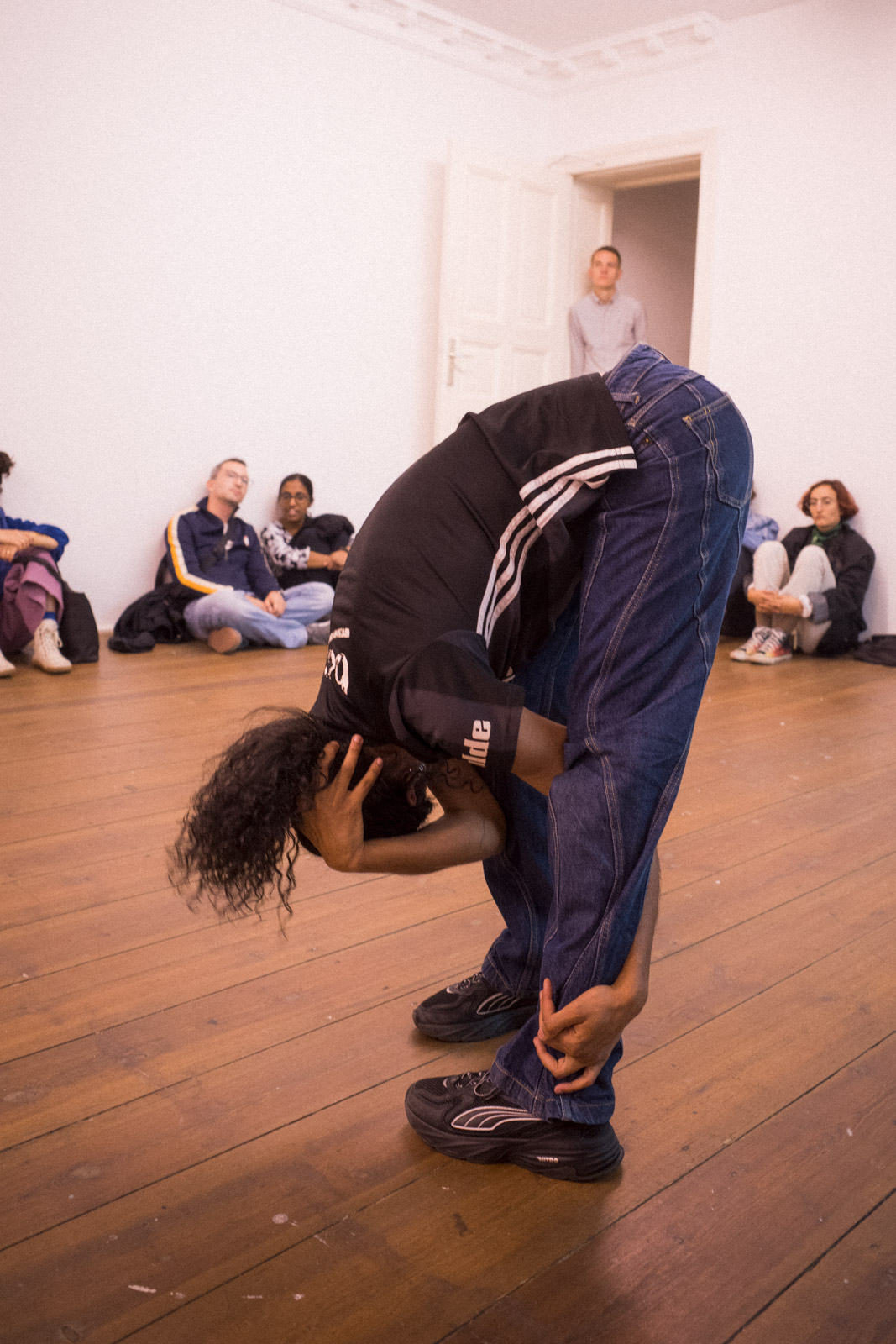
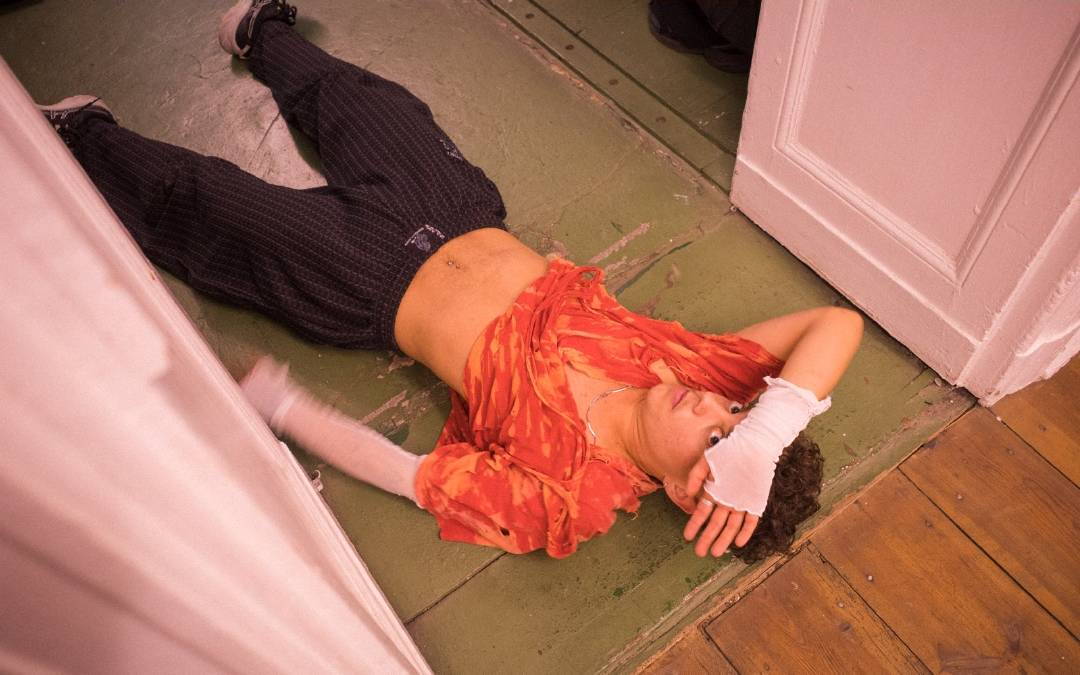
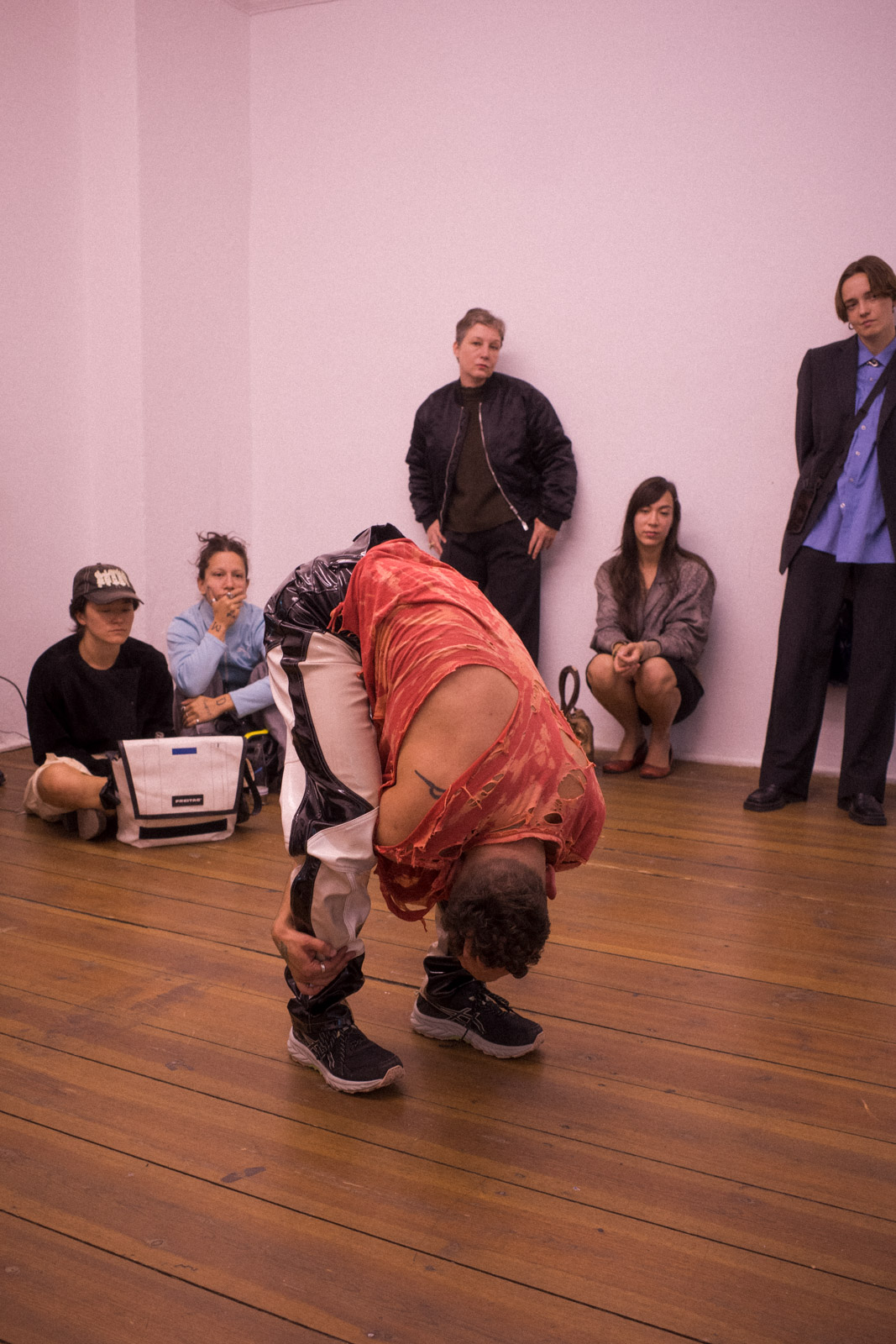
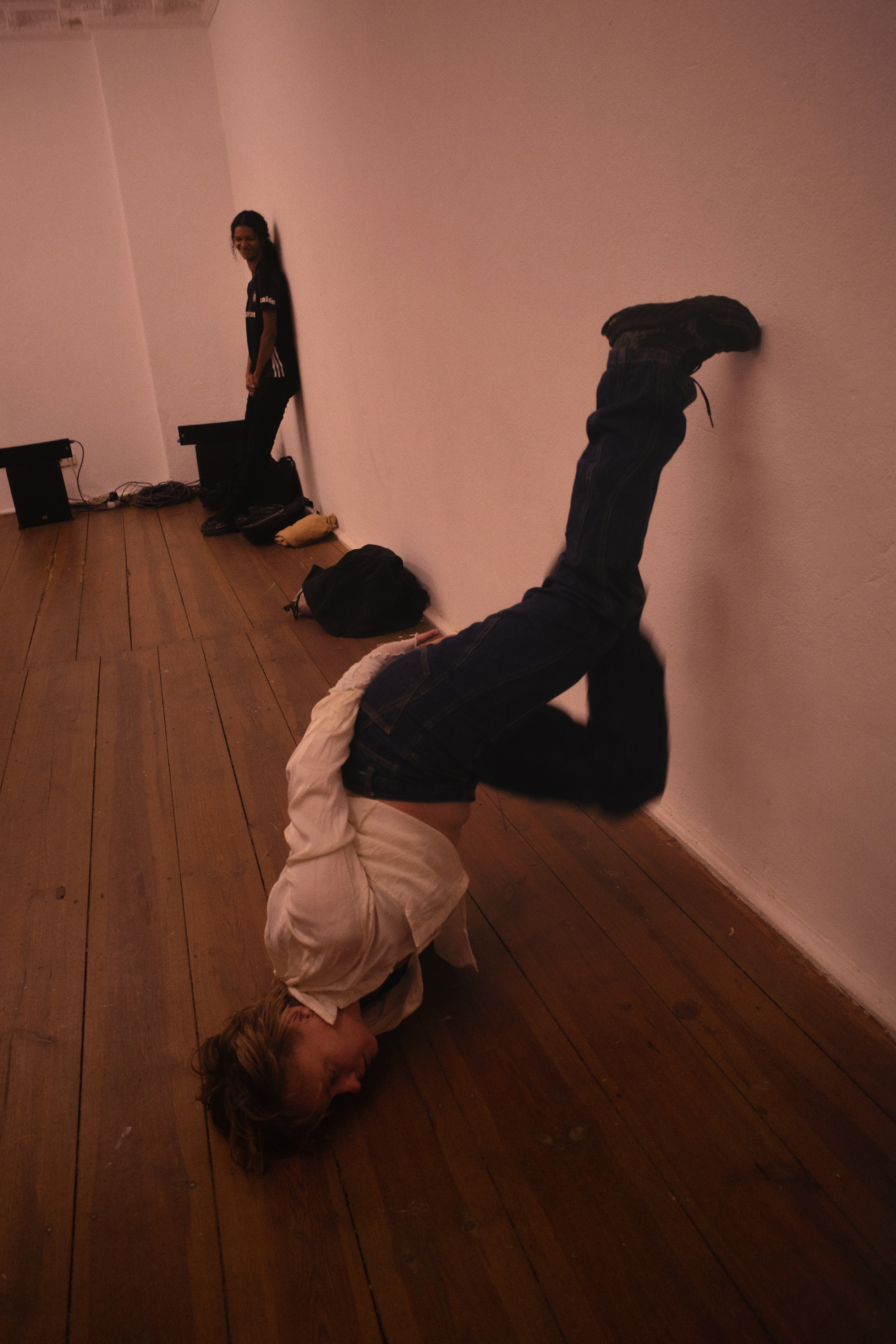
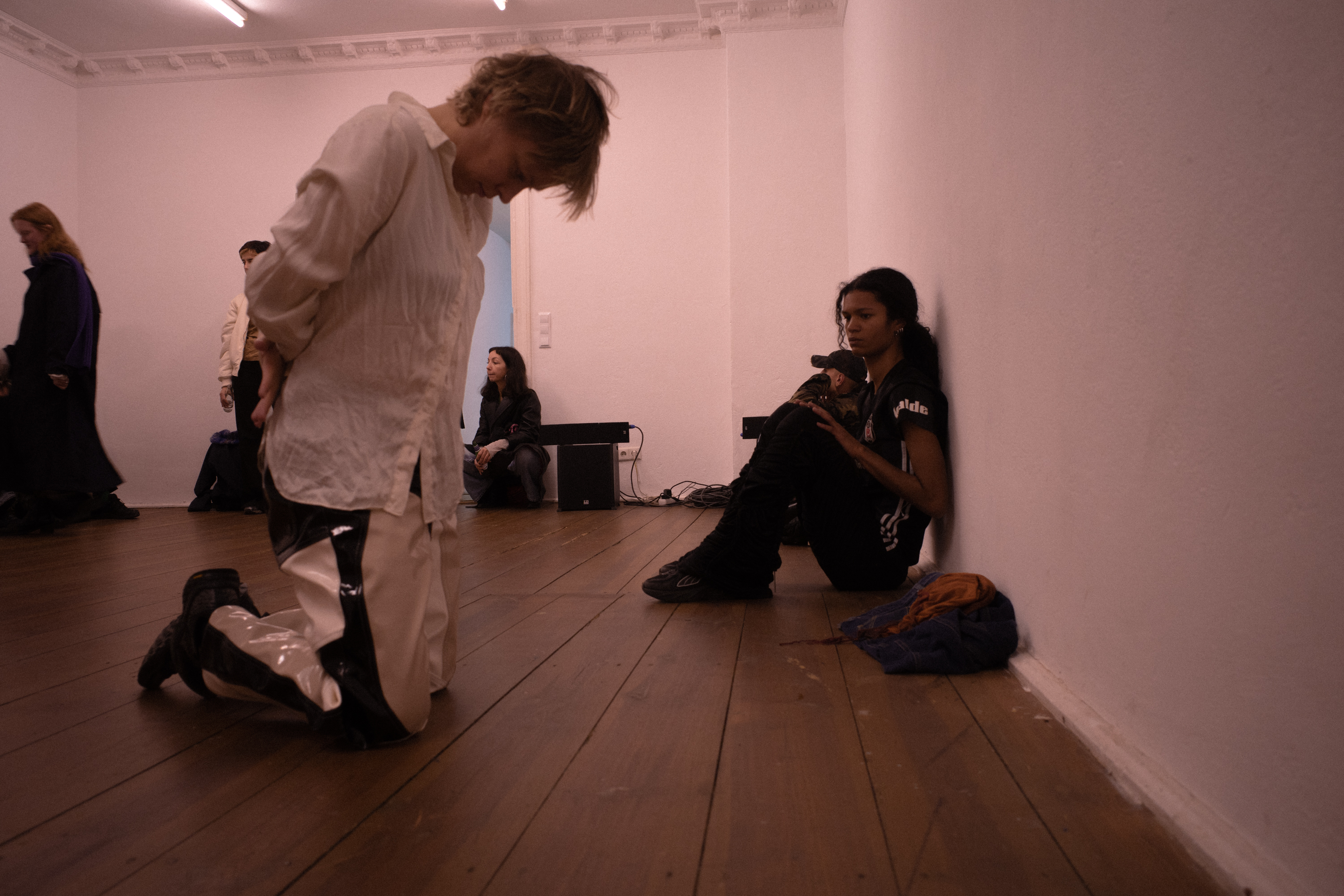
caner teker’s b2b / nothing new is a series of solos performed in pairs, or a duet that takes turns. The work, which remains a process, presents fragments of preceding solos (KIRPINAR 2020, -trans 2021, grounds for refusal 2022) developed and performed by caner teker, by passing the material on to Martin Hansen, Emil Ertl, Noumissa Sidibé, and, in a later iteration, Lucia Gugerli. For this occasion at Between Bridges, the composition adds up to three hours and is set to a musical score provided by Space Afrika.
By untying the knot between development, score, and performance, this study raises questions about embodiment in performance itself. What was developed in parts through improvisational techniques of “authentic movement,” and in the context of caner’s solo practice, changes character drastically when transposed onto another performer: what could have been legible as a derivative of past personal experience and practice –– of a body keeping some kind of score –– becomes devoid of the personal. What stays is a bunch of costumes, the ghostly presence of past affects, and a score as a formalized medium of transaction in need of re-animation through the interpretation of others. This repetition of solo material thus performs a conceptual intervention in frameworks that rely on an emphatic link between identity (as derivative of experience) and performance. The performance of b2b / nothing new denies access to the multiple identities presented and thus evades an economy that auratically charges the (wounded or culturally marked) body to create legitimacy and attention. The constant wavering between a score and its improvised execution by others creates a blur between one authoring body “as source” and performance as interpretation. The abstraction from an assumed body of origin conceptually echoes the gestures of self-defense that make up part of the movement material. “Abstraction can be one means to resist the cultural marking of the human body. This is a mode of defense, to be sure, but it is also fueled by an embrace of openness and the not-yet-known.” (David J. Getsy, Ten Queer Theses on Abstraction)
Throughout these various transactions, the score serves as a medium to ensure repeating patterns. As the title insinuates, an interest in repetition propels the work and also places it in the broader framework of caner teker’s practice, which frequently employs copying, appropriation, remixes, and citational operations, transposing material from other contexts into the black box. In these works, tradition, culture, habits, trauma, and practice are rendered as media of repetition. Instead of retracing the material back to a source they often keep it in circulation, allowing each performance to obscure the idea of a single origin even further.
– Joshua Wicke
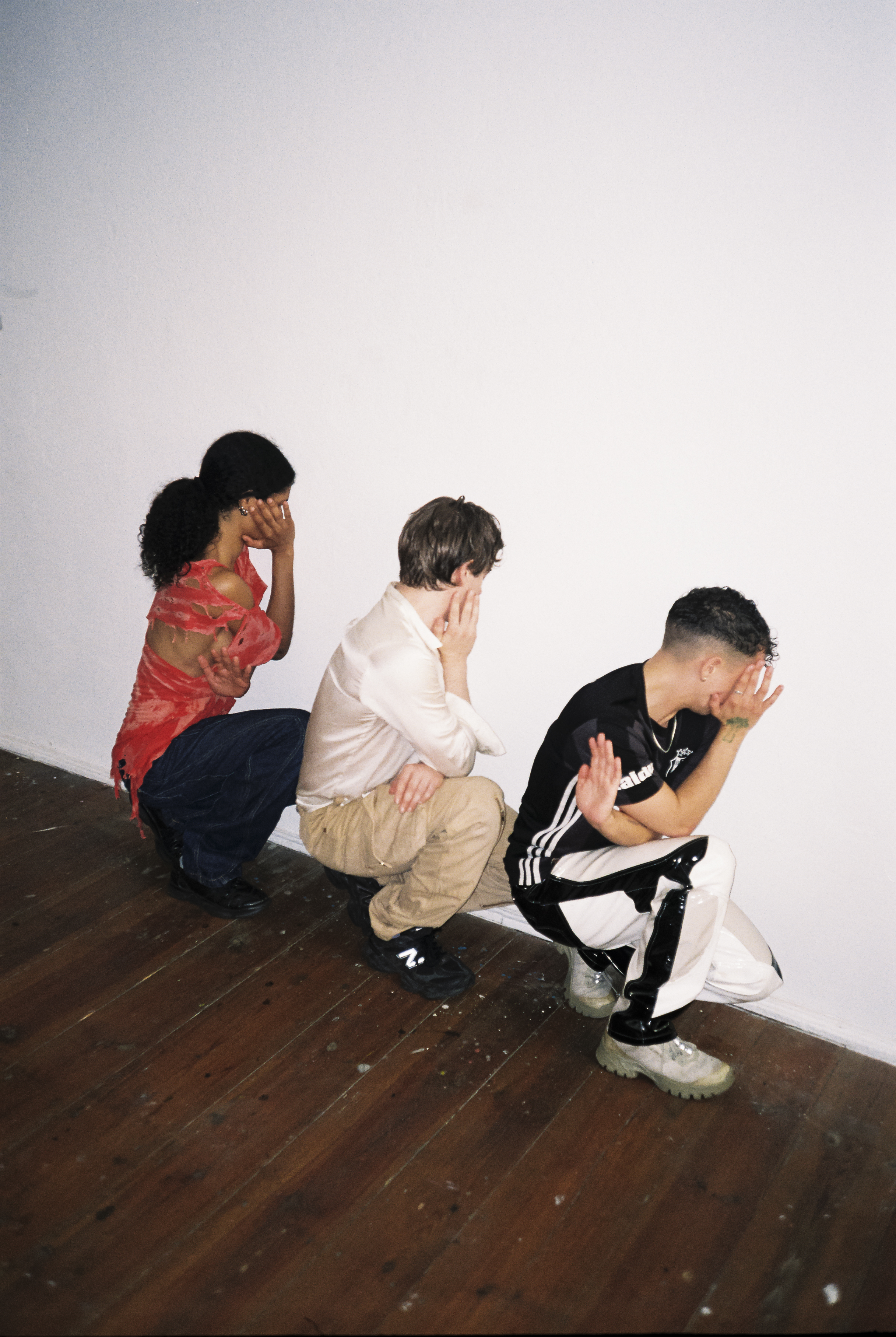
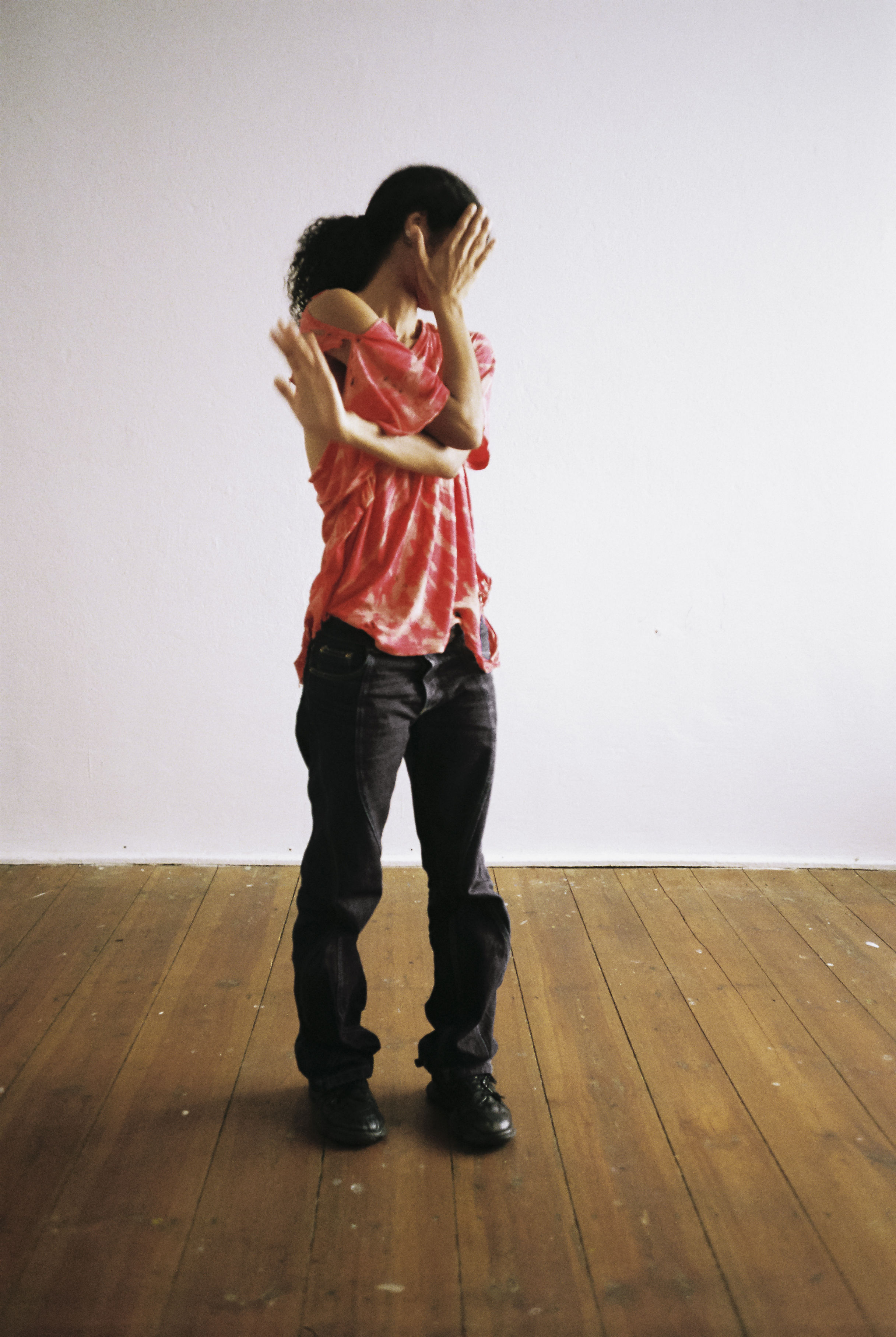
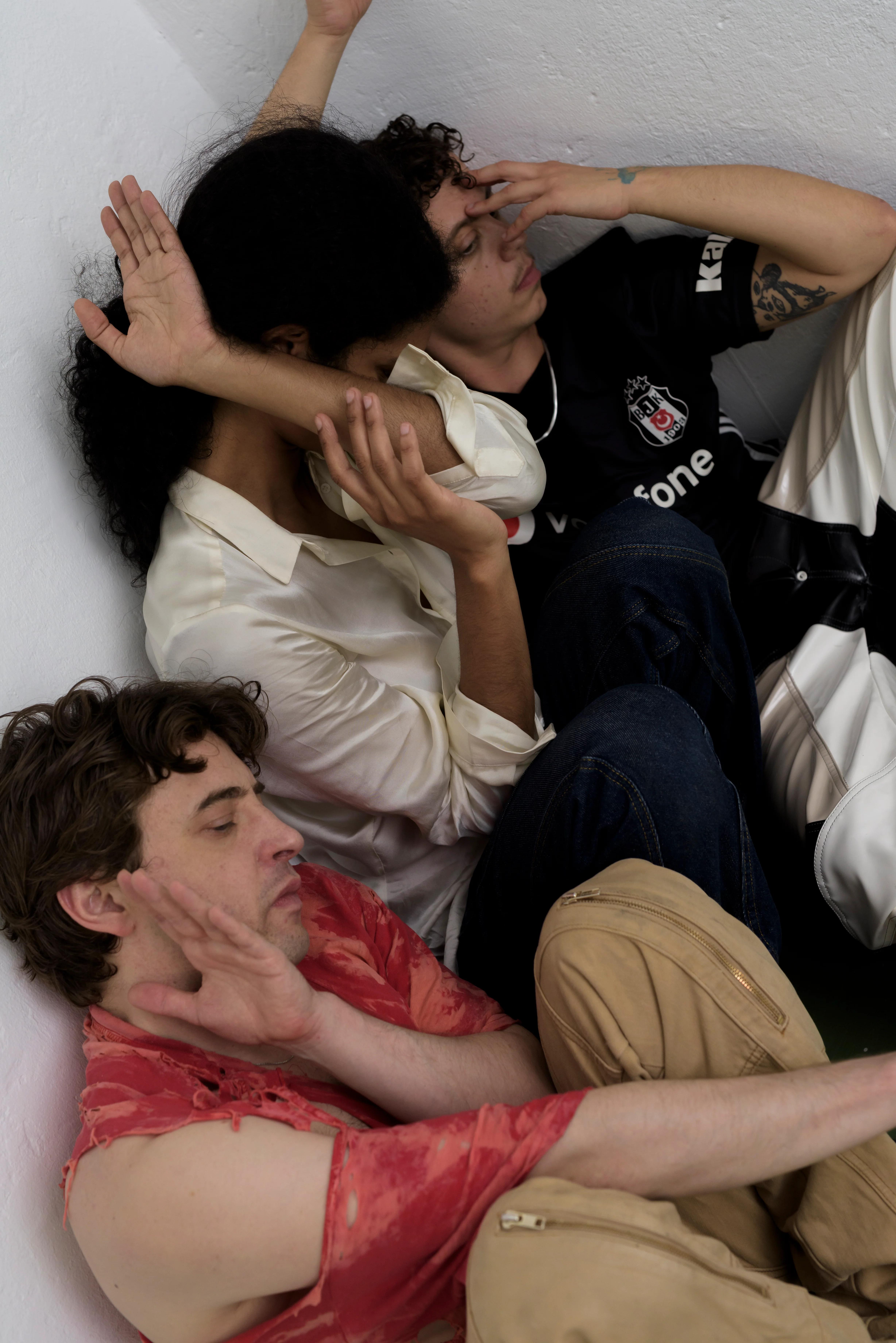
b2b / nothing new, Between Bridges
Photos: Vincent Wechselberger
Documentation of b2b / nothing new
Photos: Jeff Yiu
About the resident
caner teker is a survivor, artist and choreographer, born in 1994 in Duisburg-Marxloh. After studying at the Kunstakademie Düsseldorf, teker continued a post-graduate studies at SNDO – School for New Dance Development in Amsterdam. teker’s work deals with the body as a site where violence, discipline, desire, and projection meet, often drawing on live performance, music, and film.
Over the past years, teker has developed performances and films presented in theatres, museums, and exhibition contexts across Europe and beyond, including HAU – Hebbel am Ufer, Gessnerallee Zürich, Tanzquartier Wien, Maxim Gorki Theater, CAPC Bordeaux, Mudam Luxembourg, Neue Nationalgalerie, Museum Ostwall Dortmund, and Fogo Island Arts. Recent works include trans–, KIRKPINAR, grounds for refusal, untitled (live) and the film remedy.
teker’s performance has been acquired for the collection of Museum Ostwall in Dortmund in 2023. Further awards, residencies, and stipends include ars viva-Prize 2024, tanzhaus Zürich, Kulturakademie Tarabya in Istanbul, Fogo Island Arts in Canada and the Live Studio at Kunsthalle Bergen. In 2026, teker continues this work through residencies with Between Bridges and Künstlerische Forschung via Kunststiftung NRW.
Press on the residency project
Antoine Simeão Schalk, caner teker in conversation, Daily Lazy, September 2026