Rachel Seidu
Love is the work
10 September–25 October 2026
Opening
Friday, 11 September 2026, 6–10 pm
Artist talk
with Rachel Seidu, Matthew Blaise Nwozaku, and Wolfgang Tillmans
Friday, 11 September 2026, 5 pm
Between Bridges
Adalbertstraße 43
10179 Berlin
Thursday to Sunday, 1–6 pm
Monday–Wednesday by appointment
Extended hours during Berlin Art Week (10–13 September 2026): 11 am–7 pm
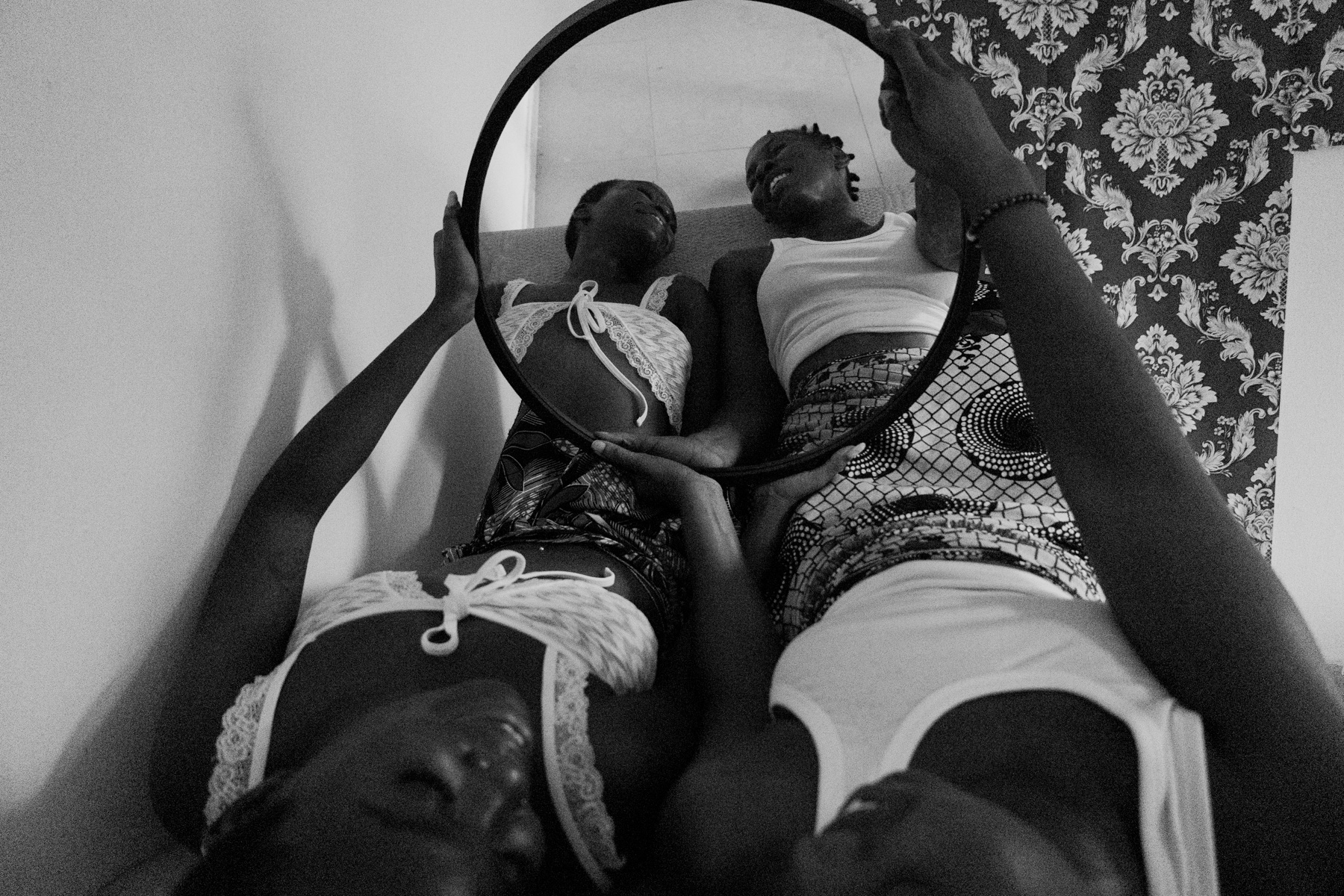
Between Bridges is pleased to present Love is the work, a solo exhibition by Lagos-based artist Rachel Seidu. The exhibition marks the artist's first comprehensive solo exhibition in Germany and opens as part of the Featured programme of Berlin Art Week.
Exhibition Narrative
by Adebayo Quadry-Adekanbi
Nigeria is one of the queerest places you could ever come across. Queerness here is what you do, not who you are, and so it gets to exist in spaces one would ordinarily think is incongruent or inconsistent with queerness. Rachel Seidu’s photographs sit inside this distinction, tension, and contradiction, and refuse to resolve it.
Among the physical spaces in Nigeria that this dynamic exists is face-me-I-face-you housing, where Seidu has said she grew up. This is a common housing style in Nigeria where tenants stay in rooms in a shared corridor with doors facing each other. Tenants share a kitchen, bathroom, and toilet, and it houses mostly low-income and working-class residents. These forms of housing reject individualised privacy in favour of collective belonging, and trace back to precolonial communal living, which did not organise itself around Western ideas of private or individual space. The density produces a specific kind of open secret where people sense each other’s queerness without ever forcing an explicit acknowledgment, so queerness is both felt and illegible at the same time. You see this in teenagers sharing a compound with too few bathrooms turning group showers into a coded, deniable space for homoerotic touch, alongside routine nudity that normalises bodily exposure generally. This makes room for alternative intimacy and kinship that doesn’t need to be named or categorised. Queerness ends up functioning as a lived, material practice shaped by space and class, and not as an identity to be claimed or declared.
This speaks a lot to the condition of Nigeria at large. The population is increasing dramatically, especially in one of its smallest cities by land area, Lagos. When physical space contracts this fast, privacy becomes something few people can afford, which is why concealment in Nigeria increasingly works through social denial and ambiguity rather than actual physical concealment. Seidu’s photographs show the consequence of a lack of access to space. When we run out of physical spaces to hide, we become loiterers. As such, queer people are loitering, whether Nigerians like it or not. Seidu shows queer people loitering by the river, on bridges, and on public transportation. And as we loiter, for better or worse, overtly or covertly, and whether we conceptualise ourselves from the inside out or the outside in, we use symbols to mark our territory and space.
That is the logic behind Seidu’s insistence that identity doesn’t need a vocabulary to be real. Through the queer Nigerians she photographs, there is an insistence that standing in a marketplace, embracing your lover, existing in the privacy of the home, or dancing at a party is already enough to be queer. Queerness is in the doing… the doing of daily life and love.
Set against that is the other part of this body of work, where queerness is held up, literally, as a flag, and not just implied. A rainbow flag that has history in a specific place and time before arriving in Nigeria. It is already loaded with meaning that was never built for this context, and is struggling to find its place. Flying it here, where doing so can be dangerous, is its own kind of claim on visibility, refusal and being, unmistakable to the public. Whether that claim needs a borrowed symbol, or whether reaching for one obscures subtler, homegrown ways of being queer, is a real question. These photographs don’t answer it nor should they need to.
Western ways of talking about queerness tend to require a name before anything counts as real. There needs to be an identity that is stated out loud and filed correctly. It’s as if simply acting like yourself is somehow insufficient, without also being able to say what that self is called in a way that is legible and categorisable by those outside of the self. Seidu’s subjects resist that requirement without denying its pull.
Two men wearing traditional women’s clothing in a shoot at a face-me-I-face you building; queer people of the same gender express intimacy in traditional attire; we see queer tenderness and touch at a party in a fusion of both modern and traditional fashion. In frame after frame, the body is doing the identifying.
What the West calls ‘drag’ makes the same point differently. It happens here constantly in masquerade, in performance, in numerous cultural, traditional and spiritual practices, and very blatantly in our entertainment industry and content creator economy. We do drag all the time. We just don’t call it that and nor should we need to.
What this body of work truly shows and leaves room for is a community caught between two things that are both true at once. Queerness in Nigeria has never waited to be granted language in Western lexicon to render itself legitimate. It has its own rooms, parties, grammar, and has been embedded in the various cultural, social, and geographical practices that have been obscured through colonialism. And right now, for people who have spent a long time going unseen within various violent power systems, holding something as blunt as a flag can still feel like the first time anyone has let themselves be looked at directly. Seidu isn’t asking you to choose between these truths, she’s asking you to sit inside the contradiction her subjects already live in because they have to.
Adebayo Quadry-Adekanbi is a writer and editor whose commentary on art, politics, and culture appears in shado Mag. He holds a PhD exploring urban space, archival practice, and queer politics in Nigeria.
Rachel Seidu is an artist whose film and photographic works explore queer identity and its intimacies in Nigeria. Combining conceptual and documentary approaches, she makes poetic yet politically charged images that foreground companionship, vulnerability, and resilience. Her work seeks to build a visual archive of queer existence in Nigeria while confronting the violence of exclusion, including conversion therapy and the role of religious institutions in sustaining cultures of intolerance. Through personal narratives, Seidu reflects on the universal questions of belonging, self-determination, and the freedom to live authentically.
Rachel Seidu (b. 1997, Lagos, Nigeria) lives and works in Lagos. Her work has been exhibited internationally, including at the Photo Elysée (2025, Lausanne, Switzerland), the Institut pour la photographie (2025, Lille, France), Festival Planches Contact (2024, Deauville, France), Freedom Multitudes (2024, Houston, USA), YSL Rive Droite (2023, Paris/Los Angeles), A Wa Nibi (2023, Lagos/Hamburg), Foto Wien (2022, Vienna, Austria), and the 4th Biennial of Photography (2022, Guayaquil, Ecuador). In 2023, she collaborated with Yves Saint Laurent on an exhibition and fanzine. She is a member of Black Women Photographers and the African Photojournalism Database.
Installation views
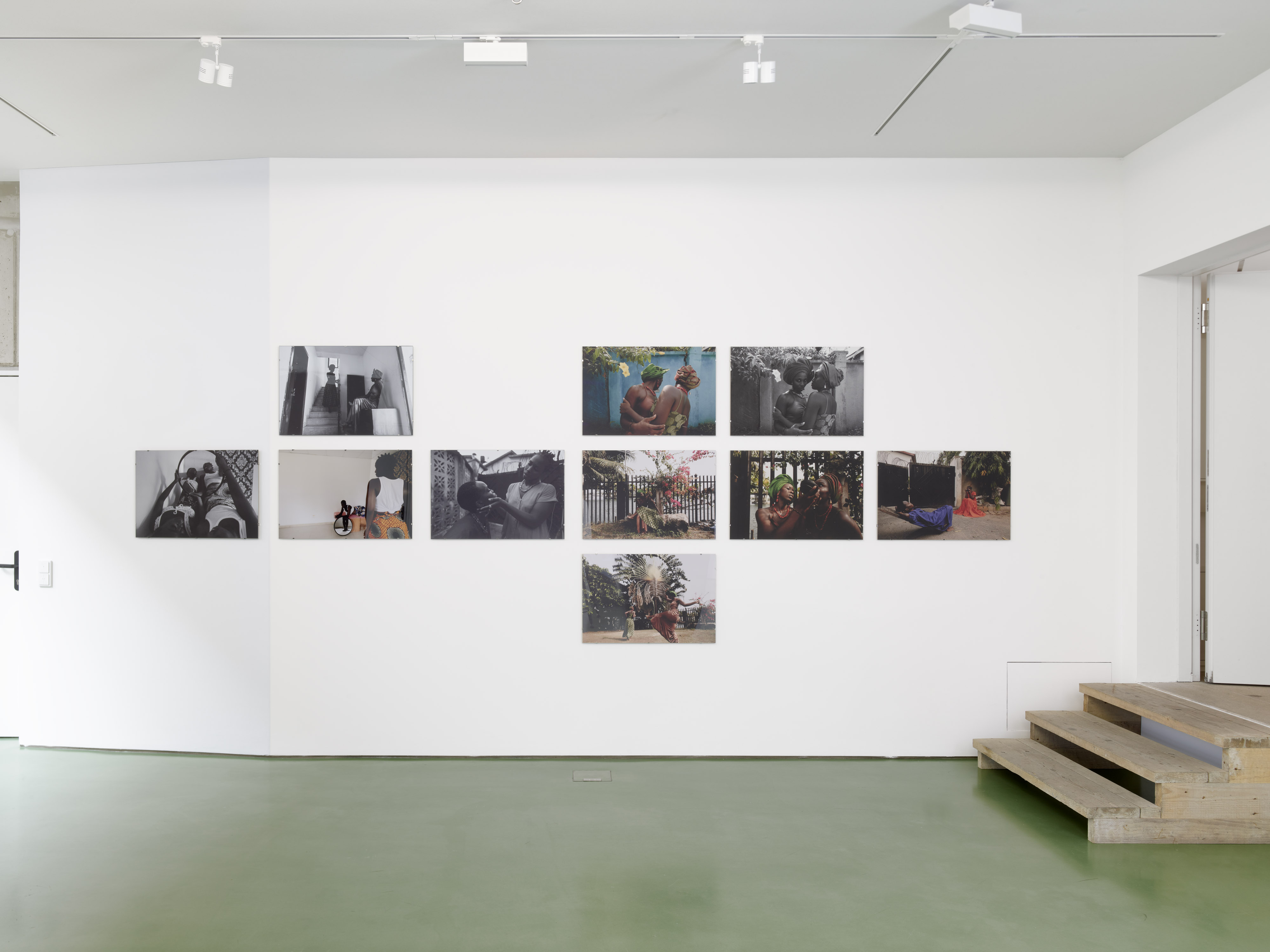
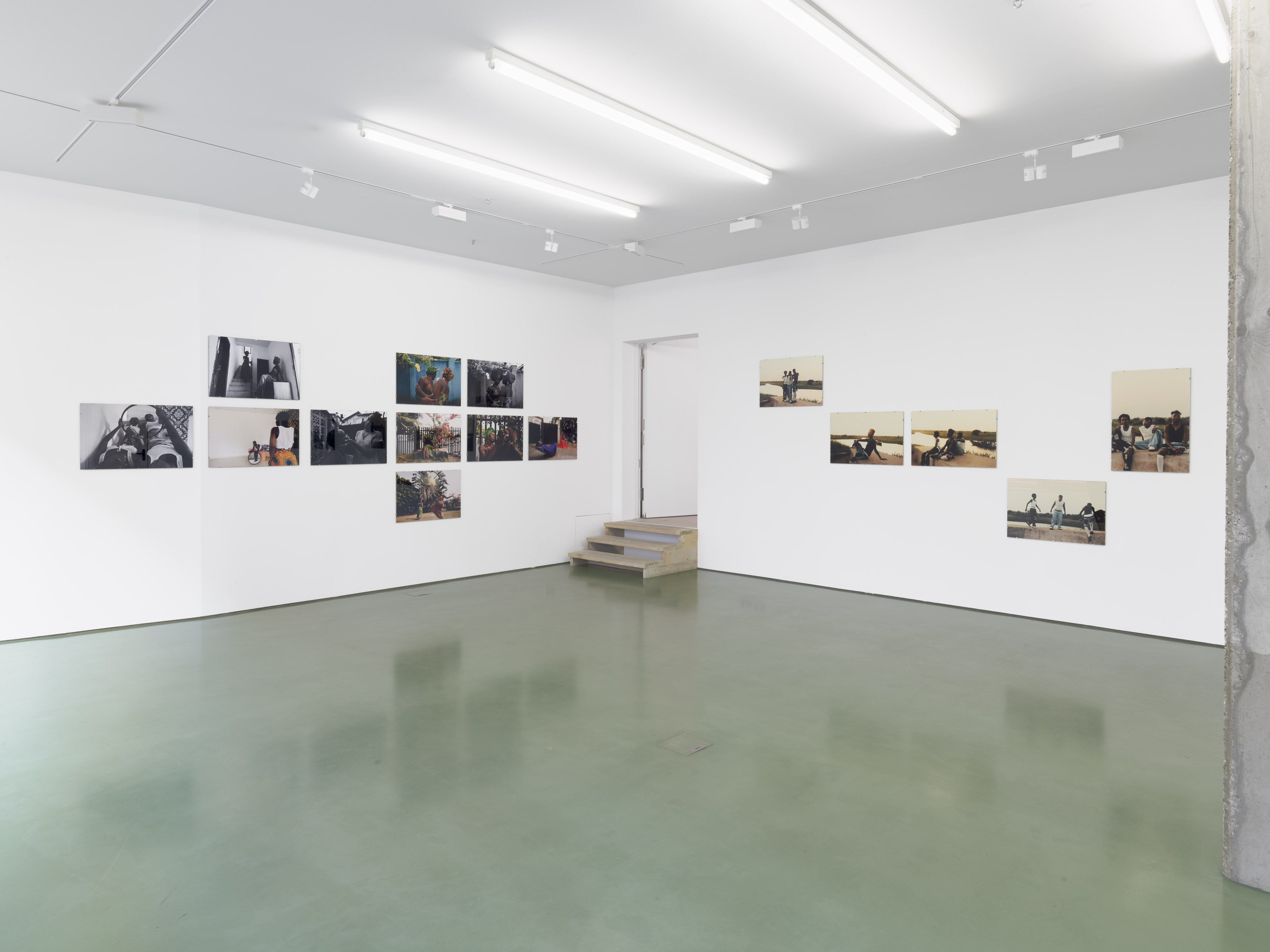
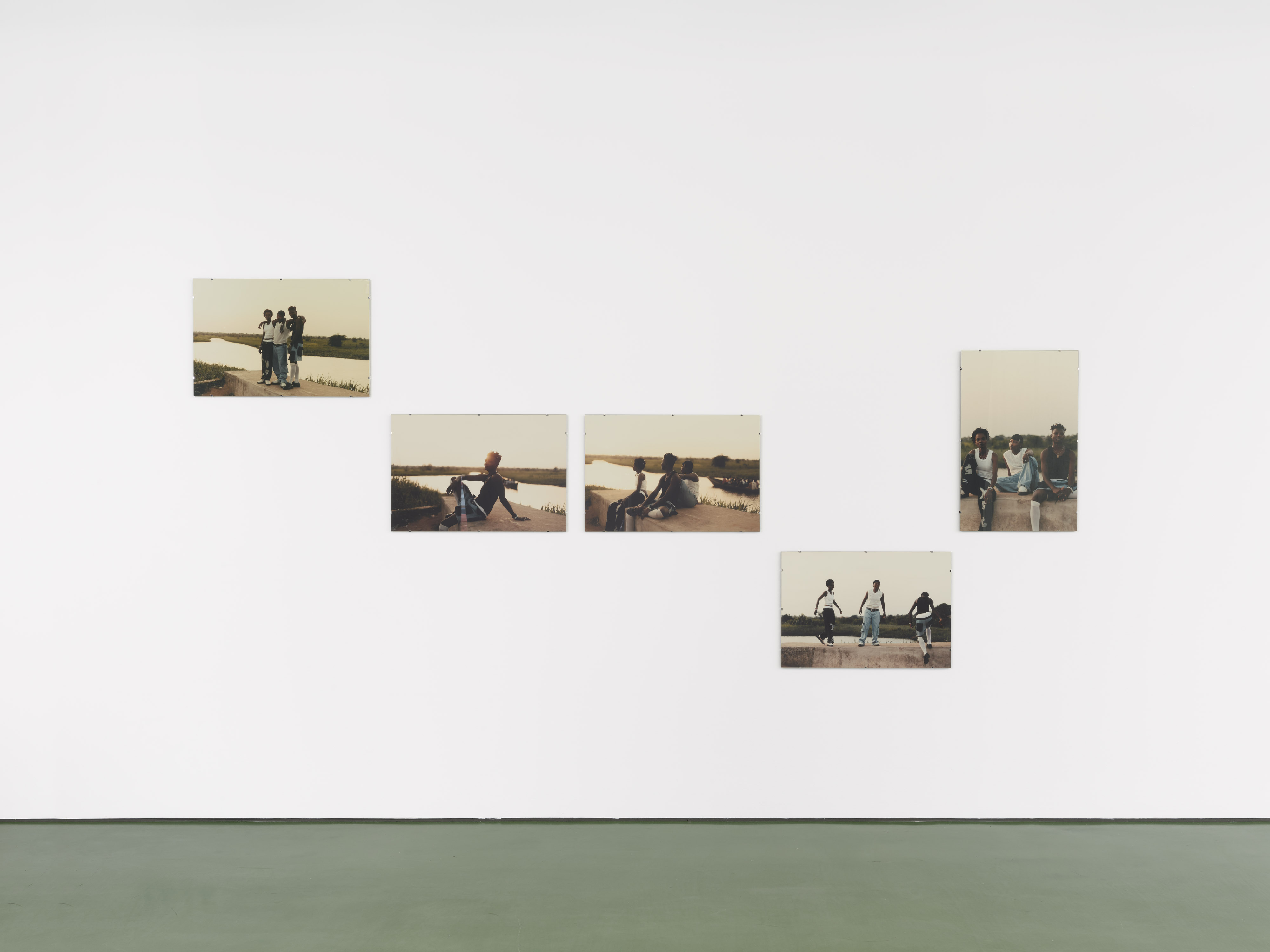
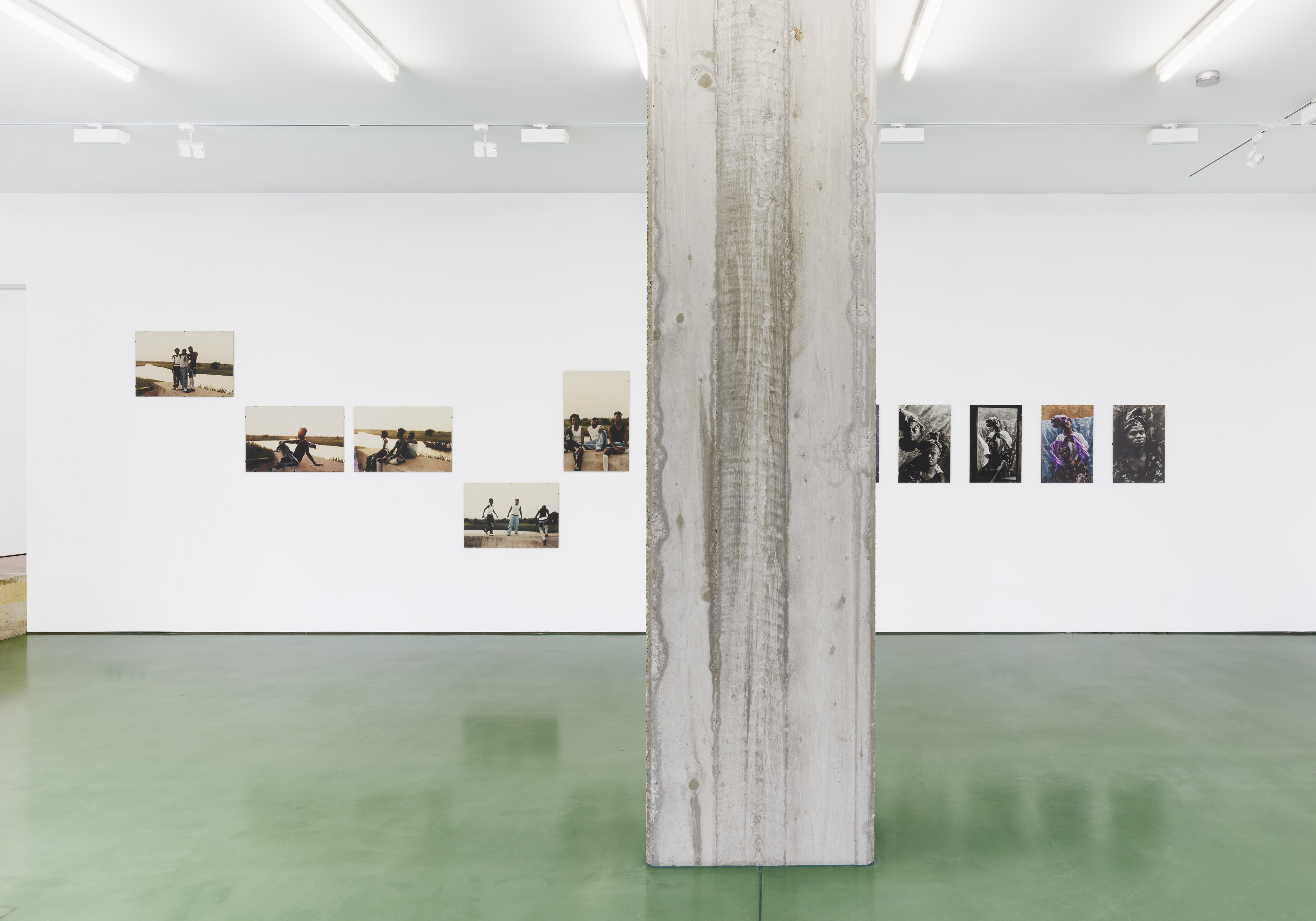
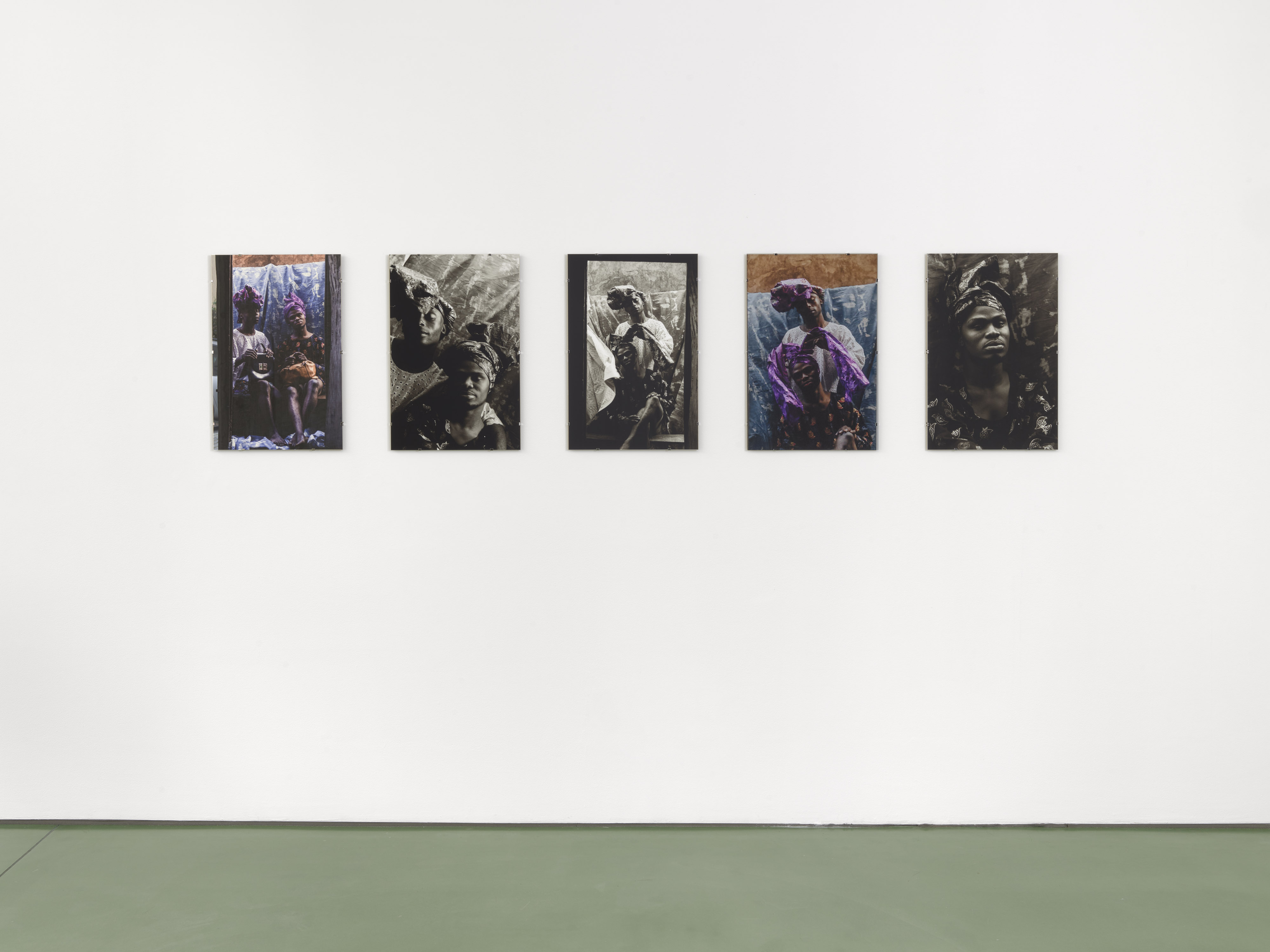
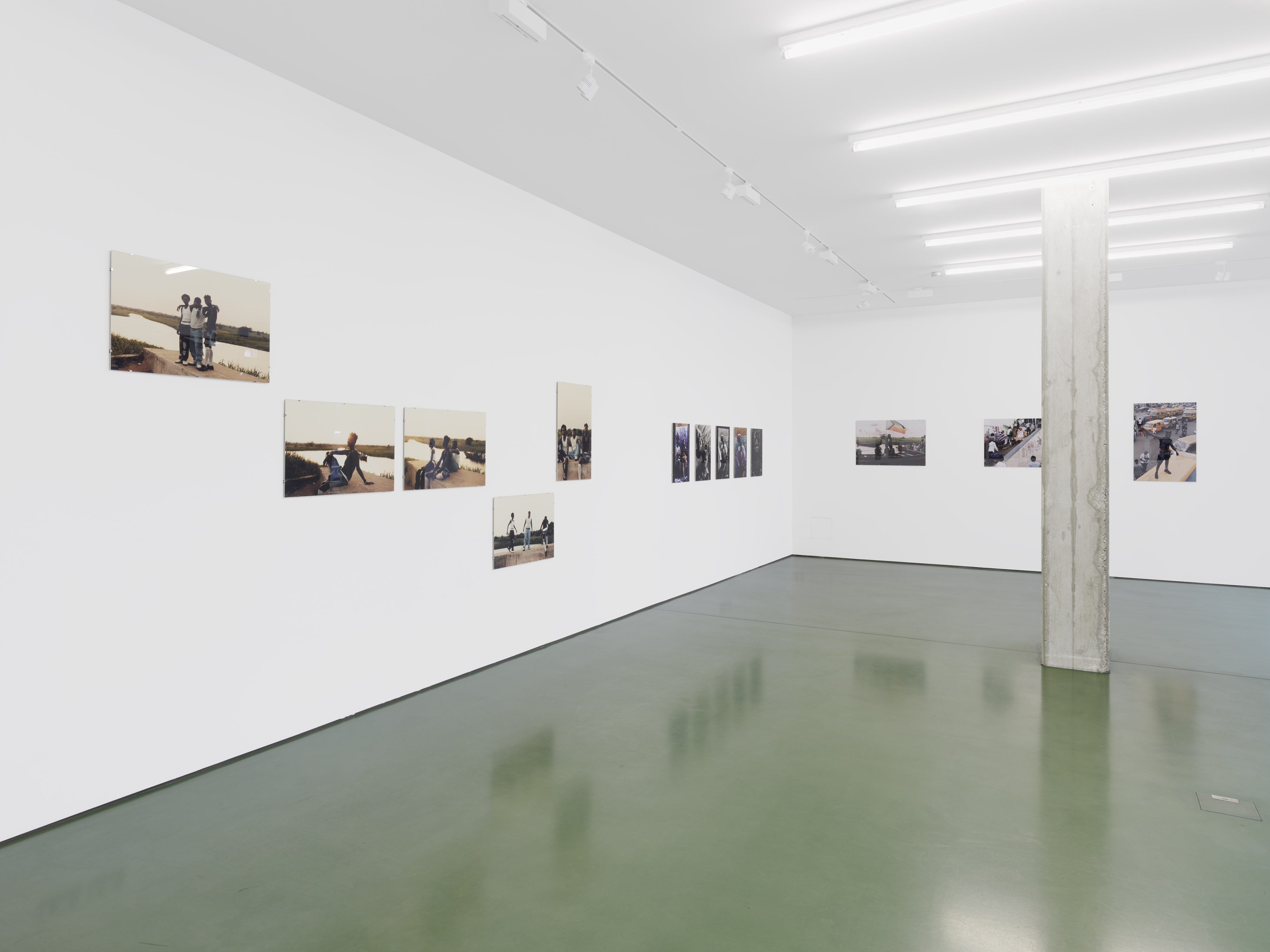
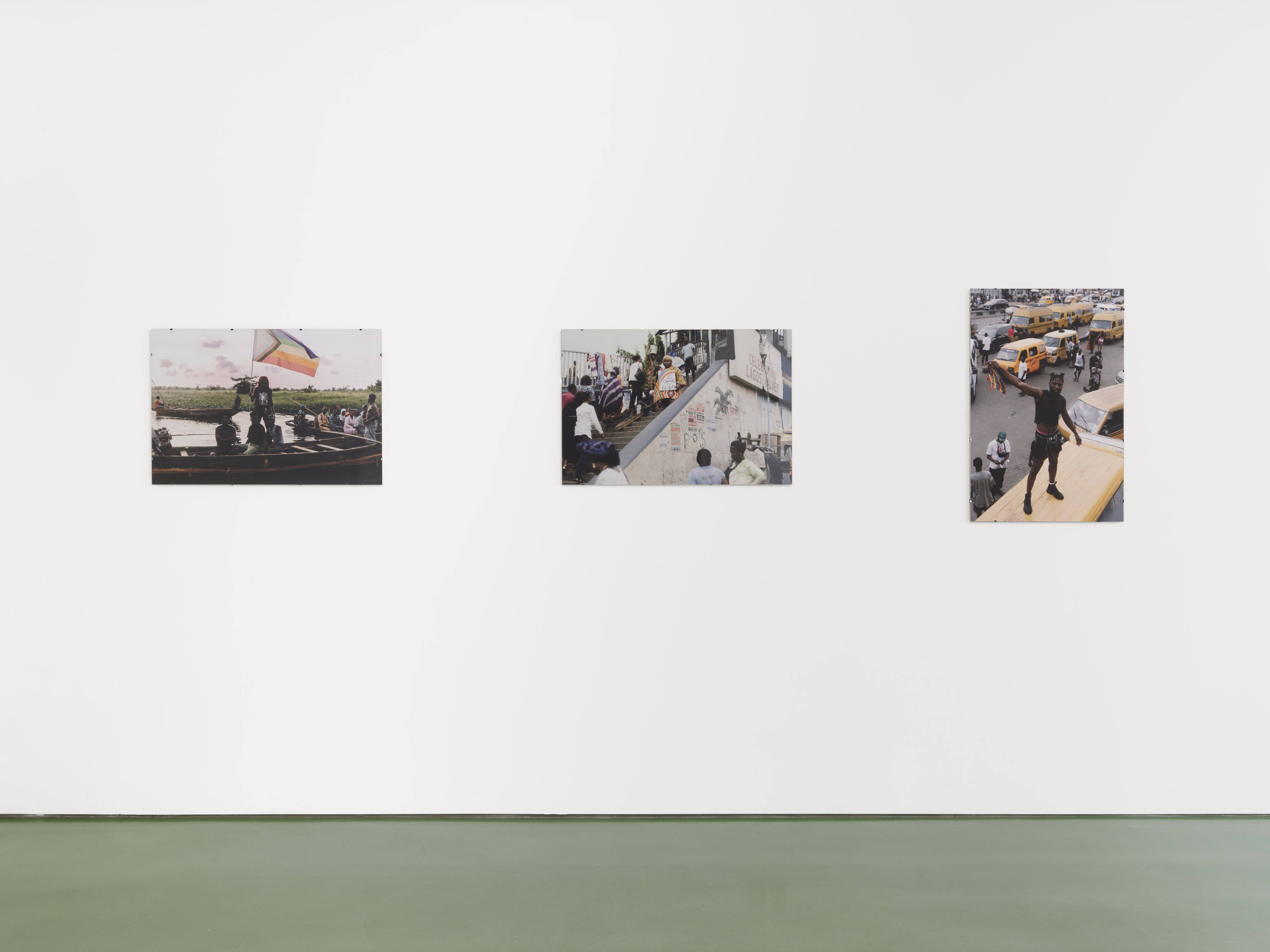
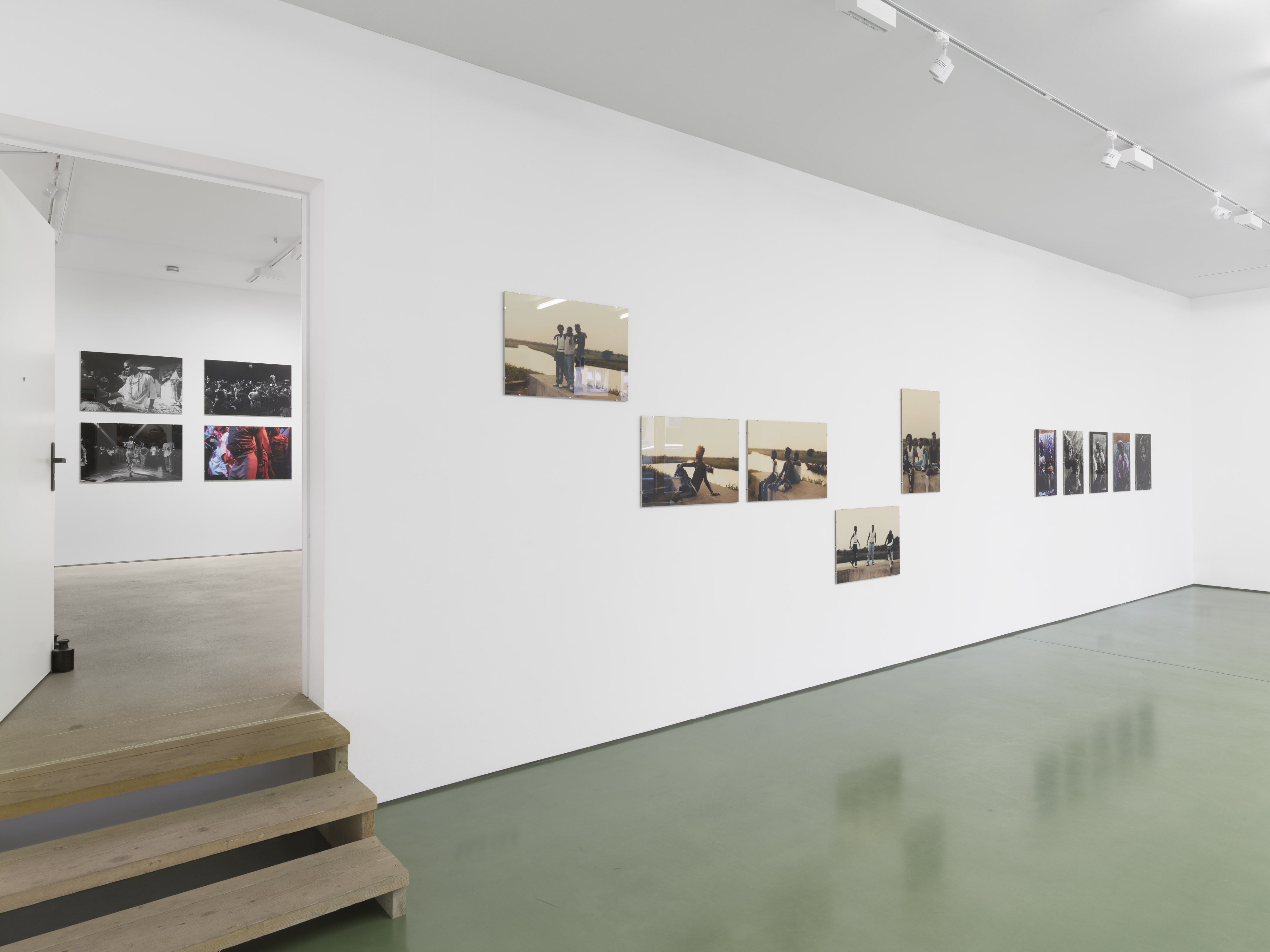
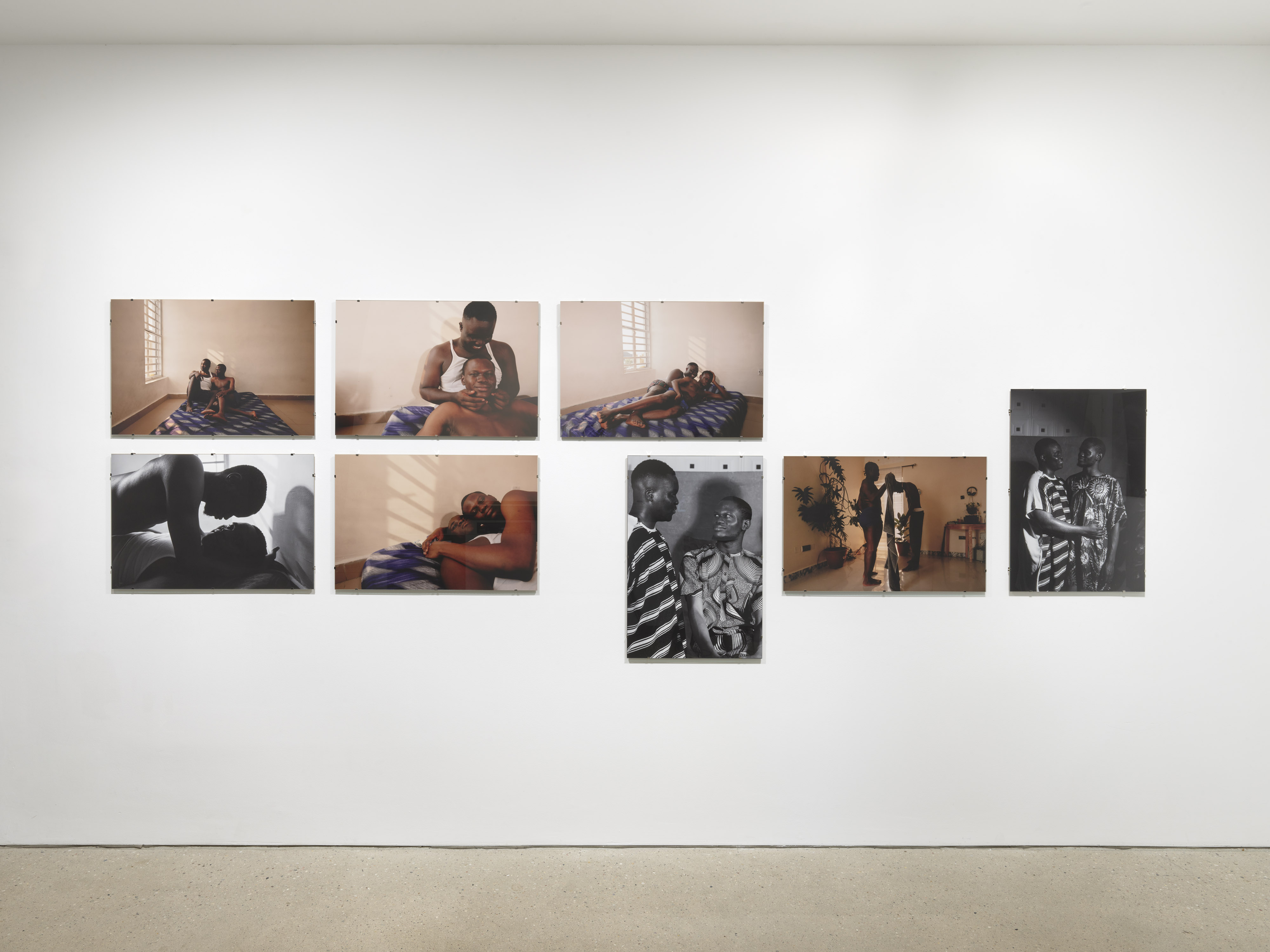
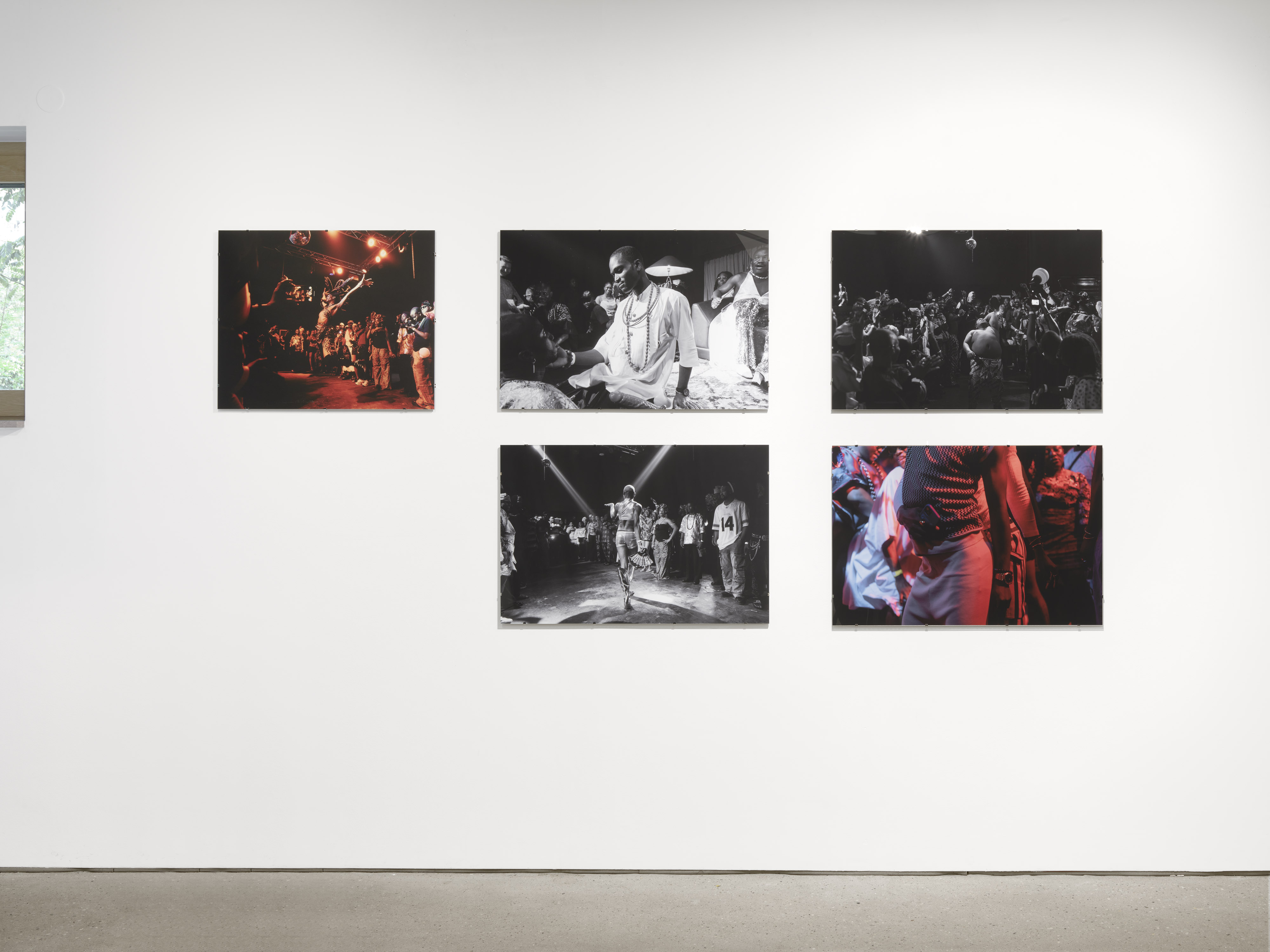
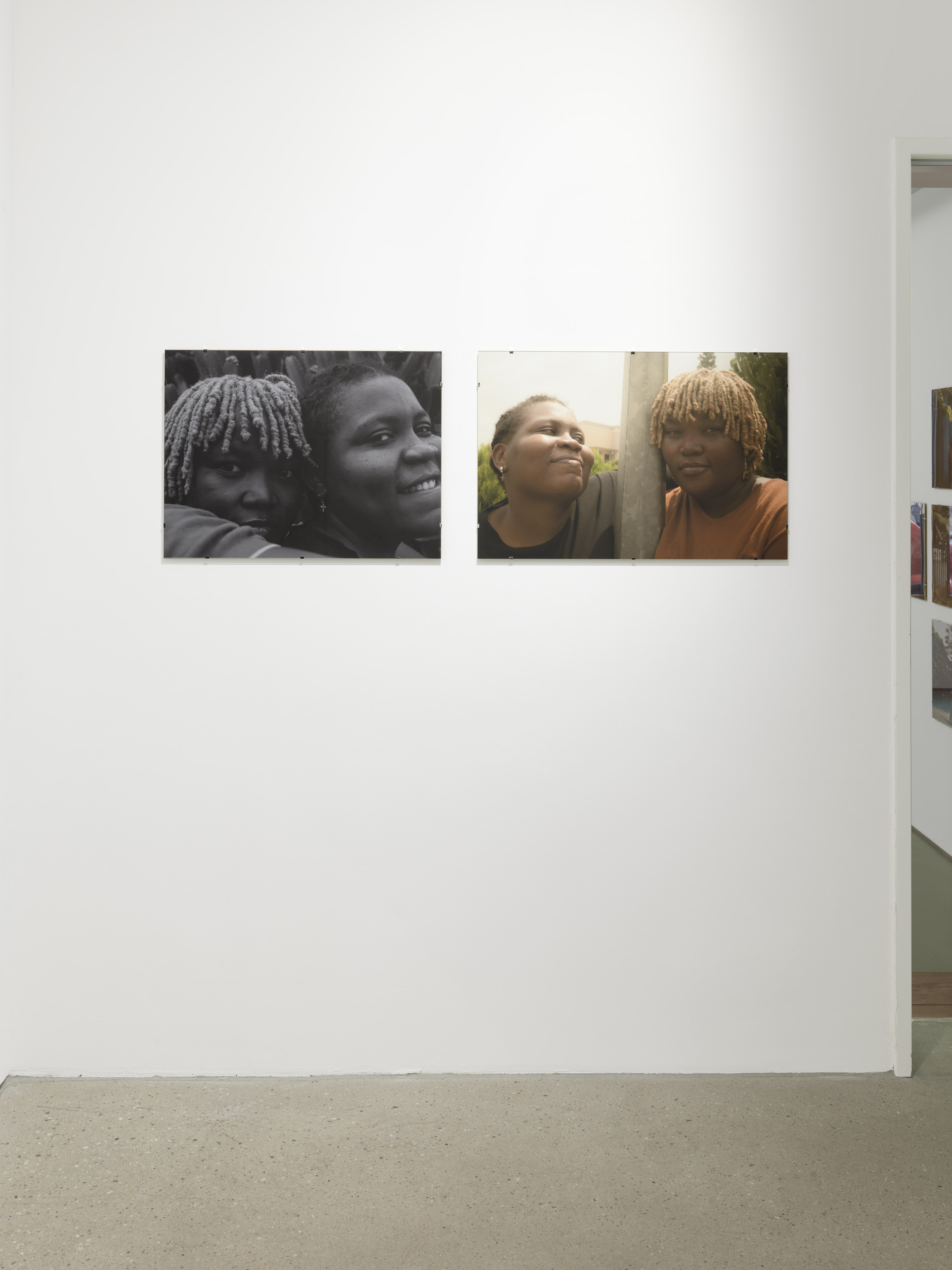
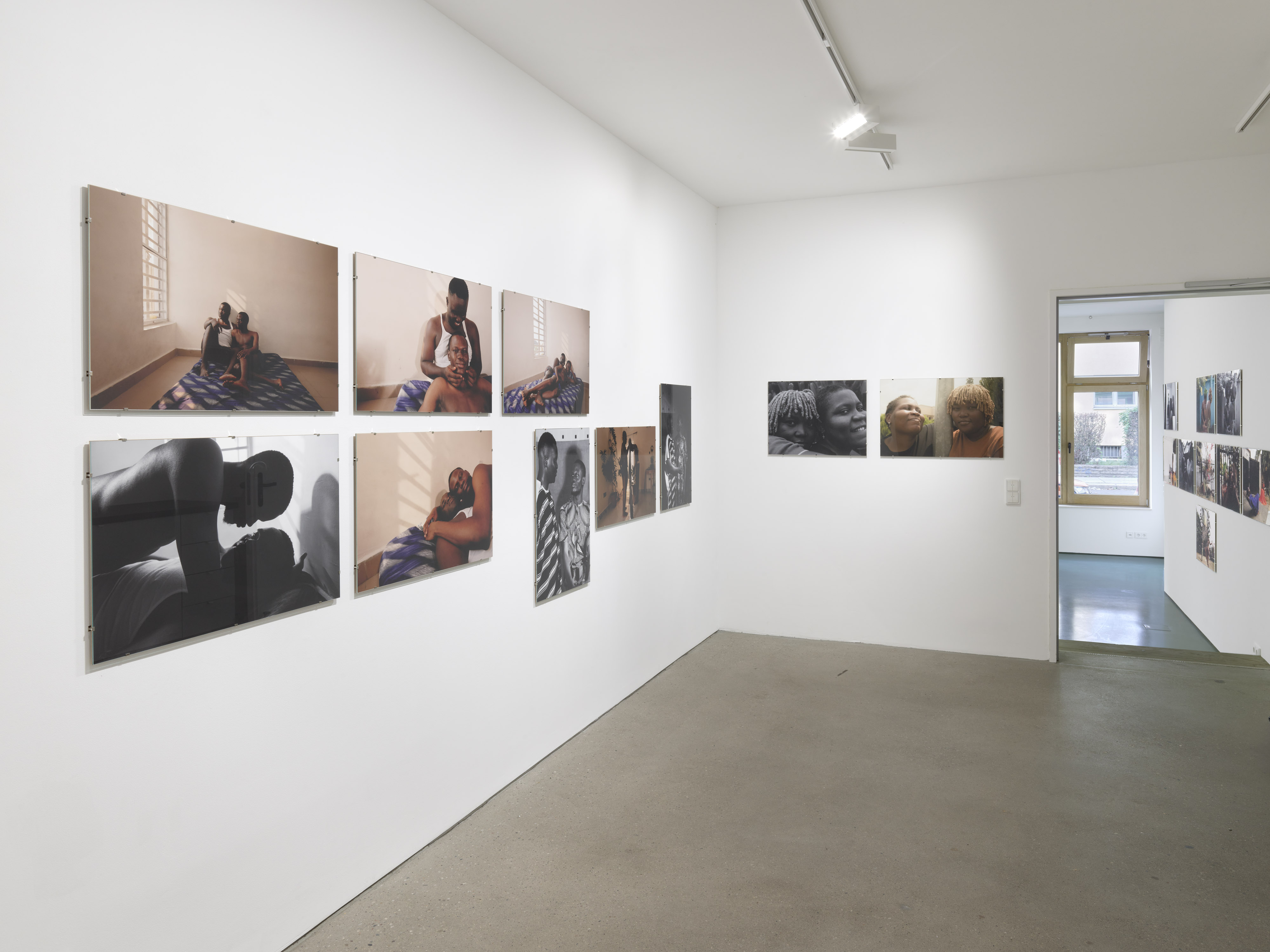
Installation views by Eric Tschernow
Press on the exhibition
Axel Krämer, Rachel Seidu macht queeres Leben in Nigeria sichtbar, Queer, 19 September 2026
Beatrice Sacco, Postcards from Berlin Art Week, The Columbist, 11 September 2026
Birgit Rieger; Christiane Meixner: Highlights der Berlin Art Week, Tagesspiegel, 6 September 2026
monopol (Editorial): Featured bei der Berlin Art Week, monopol, 3 September 2026